



How Microfilm Digitization Aligns With the Library’s Mission
Why digitization is not just modernization — it’s mission fulfillment
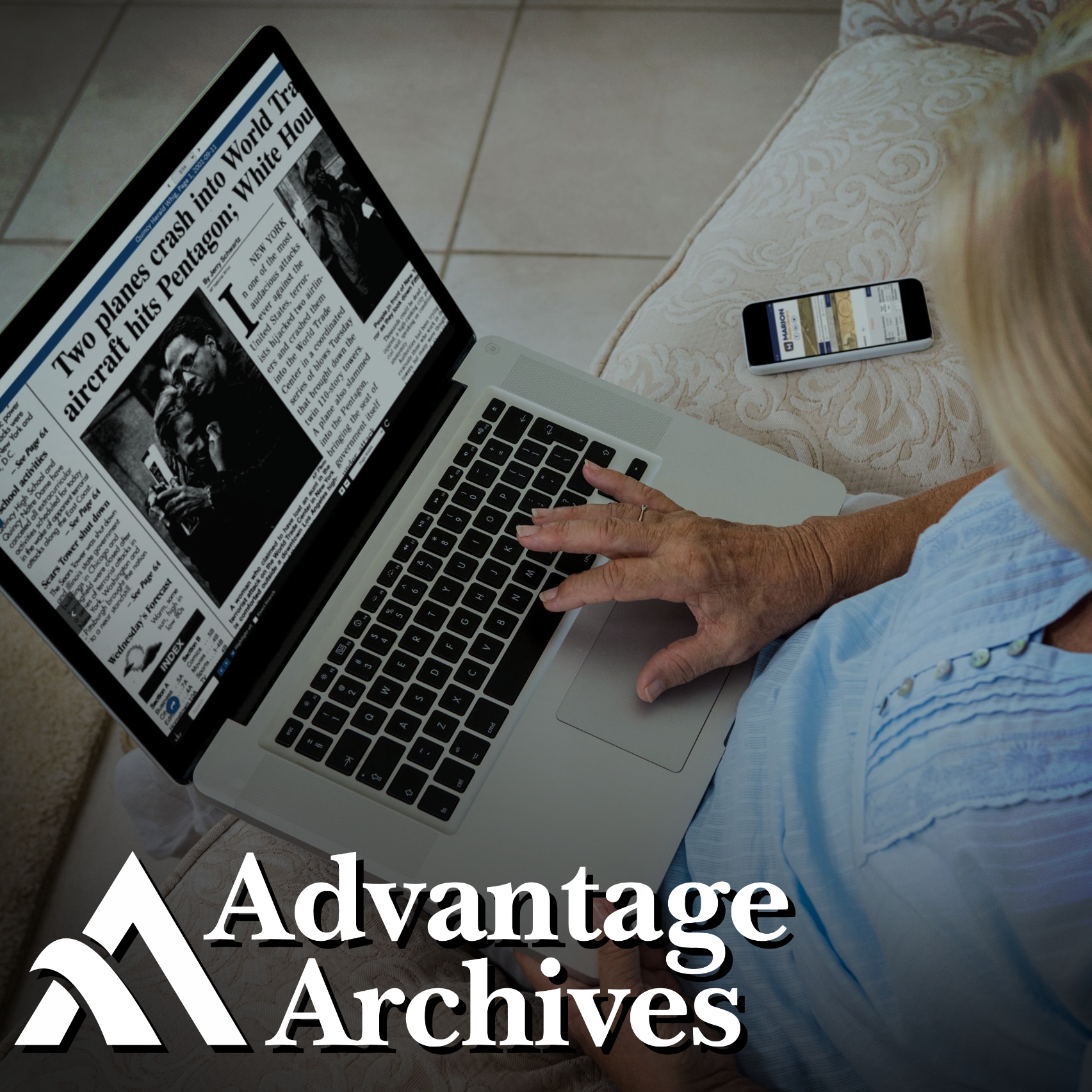
This alignment with the mission is profound. Equitable access is no longer bound by geography or schedules; lifelong learning is supported because discovery is intuitive and immediate; and community bonds are strengthened when local history is visible, searchable, and woven back into the collective story. Microfilm digitization makes it possible for a student to explore the events of their hometown in a school project, for a genealogist to uncover relatives without hours of scrolling, or for a journalist to connect today’s headlines with reporting from decades earlier. Each of these examples reflects the deeper role of the library — making information meaningful and usable for everyone, not just those able to navigate outdated machines.
In this sense, digitization is less about technology and more about mission fulfillment. It carries forward the ideals that have always guided libraries — openness, education, and trust — in a form that is practical and relevant today. By investing in digitization, institutions are not simply modernizing a collection; they are affirming that the library’s mission is alive, evolving, and designed to serve the community in ways that matter now.
Libraries are measured not only by what they hold, but by how those holdings continue to serve their communities. That responsibility naturally leads to the idea of stewardship and trust.
Stewardship and Trust
Stewardship is the way libraries earn trust: by taking what communities value and making sure it continues to matter. It is the responsibility of caring for a community’s memory and ensuring that collections remain alive, usable, and meaningful. For generations, librarians and archivists have carried that responsibility, looking after local newspapers, government records, and community histories. Microfilm was once a vital tool in that work, providing stability when originals could no longer withstand use.
Digitization carries that work forward. By transforming microfilm into accessible digital archives, libraries expand stewardship from protection into participation. They are not only safeguarding history, they are ensuring it can be discovered, searched, and used in new ways. A reel in a drawer may hold content, but a digital archive creates accessibility, aligning directly with the promise libraries make to their communities.
Trust grows out of this visible commitment. Patrons and stakeholders recognize when their library is not just safeguarding history but actively making it available in meaningful ways. Each digitization project sends a clear message: the community’s stories matter, they are treated with care, and they are being shared in ways that invite exploration. Stewardship and trust are inseparable, and digitization embodies both.
Microfilm Scanning as Community Infrastructure
Communities rely on infrastructure to function, be it roads, water systems, power grids, or schools. But just as essential is cultural infrastructure: the shared memory that connects people to place. Microfilm scanning contributes to this infrastructure by turning reels of information into usable resources that anyone can tap into.
A digital archive becomes part of the civic fabric. It is a utility of knowledge, always on and always available. Students working on projects, genealogists tracing family trees, local historians piecing together community stories, or residents curious about their neighborhood, all benefit when history is treated as infrastructure.
Unlike physical infrastructure, digital archives expand with use rather than wear down. Each search strengthens relevance. Each discovery validates the resource. By treating microfilm digitization as infrastructure, libraries reinforce their role as essential public service providers, extending their value beyond walls and hours of operation into everyday life.
Access as a Core Value
Access is not a secondary goal for libraries, it is the heart of their mission. For decades, microfilm represented access in its time. It preserved content and made it viewable in a way that raw newsprint could not survive. But it also limited who could realistically benefit.
A microfilm cabinet requires proximity, time, and familiarity. A digital archive requires only curiosity. The difference is transformative. When reels become searchable, what was once tedious becomes efficient. When archives are online, what was once available to the few becomes available to the many.
Access is about equity. Digitization ensures that the obituary of a forgotten ancestor, the legal notice of a land transfer, or the advertisement of a community fundraiser is no longer discoverable only to those who can visit a reading room during certain hours.
By placing access at the center, digitization aligns directly with the library’s mission. It transforms preservation into participation and ensures that history continues to serve not only researchers, but whole communities.
The Advantage Archives Approach
Digitization projects succeed when they align with values, not just technology. At Advantage Archives, the approach is built around the principles libraries already uphold: stewardship, equity, trust, and access.
Our Community History Archives are designed to reflect the individuality of each partner institution while providing a shared, open platform for public use. They are not subscription services. They do not lock history behind fees or limit participation. They are built to be free, open, and community-centered, ensuring that the digitized content truly belongs to the people it represents.
Each project is a collaboration, not a transaction. Libraries and cultural institutions retain ownership and identity. The archive reflects their community, their collection, and their history. Advantage Archives provides the technology, infrastructure, and expertise to transform reels into living resources, but the mission remains rooted in the partner institution.
The goal is not to replace stewardship, but to extend it. It is not to monetize access, but to democratize it. The Advantage Archives approach honors the trust communities place in their libraries by helping them deliver on the promise of preservation and access.
A Mission in Action
Microfilm digitization is about aligning action with purpose; it is not just a modernization project. It is a continuation of the library’s promise to its community. It ensures that the stories preserved on film for generations are not locked away, but living, searchable, and part of daily life. Each reel converted to digital access is another step toward transparency, education, and shared understanding. It ensures that the reels libraries that have been safeguarded for decades are not just stored, but shared. It transforms cabinets into community resources, stewardship into active trust, and preservation into participation.
Libraries do this work because they believe access to information should not depend on proximity, privilege, or the ability to pay. They do it because stewardship is not passive, it’s a commitment to making history usable, discoverable, and meaningful for everyone. Microfilm digitization allows that commitment to take a modern form without sacrificing the principles that define it.
At Advantage Archives, that mission is shared. Each partnership reflects a collaboration between institutions and their communities. One that respects budgets, honors trust, and guarantees free, permanent access to local history. We don’t sell subscriptions or licenses; we help libraries extend their reach and strengthen their connection to the people they serve.
Now is the time to ensure that your community’s past is accessible in the present. Partner with Advantage Archives to transform your microfilm collections into a living resource that embodies your library’s mission of access, equity, and trust.
Read More About It!